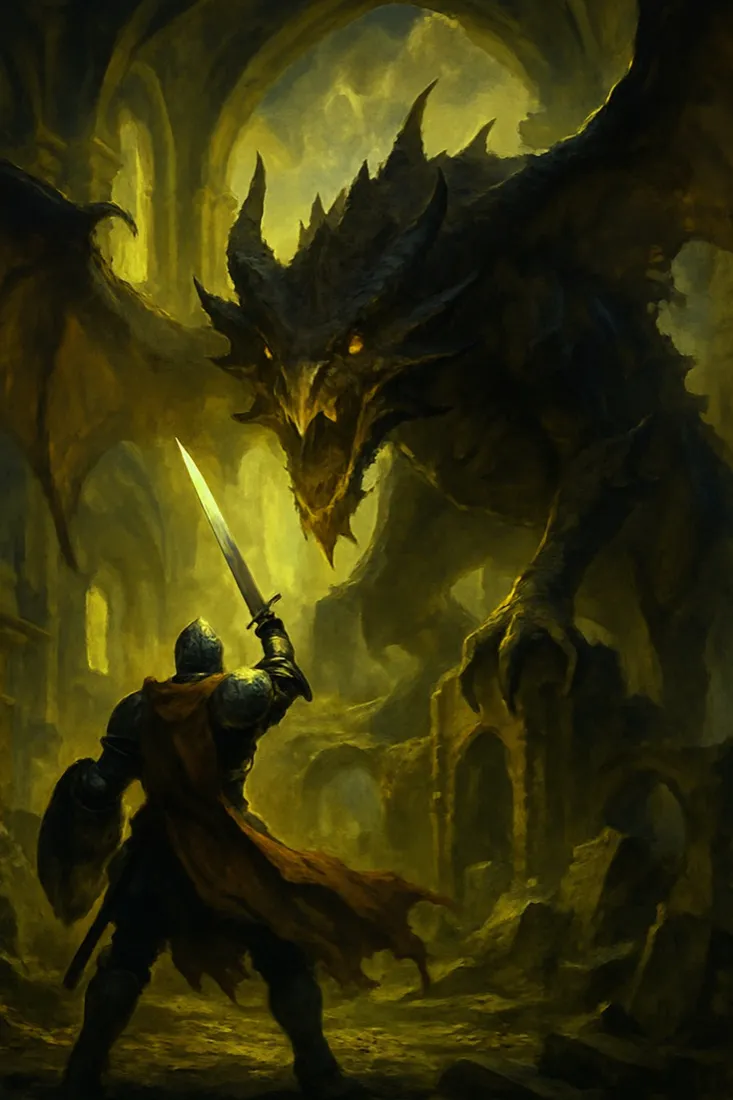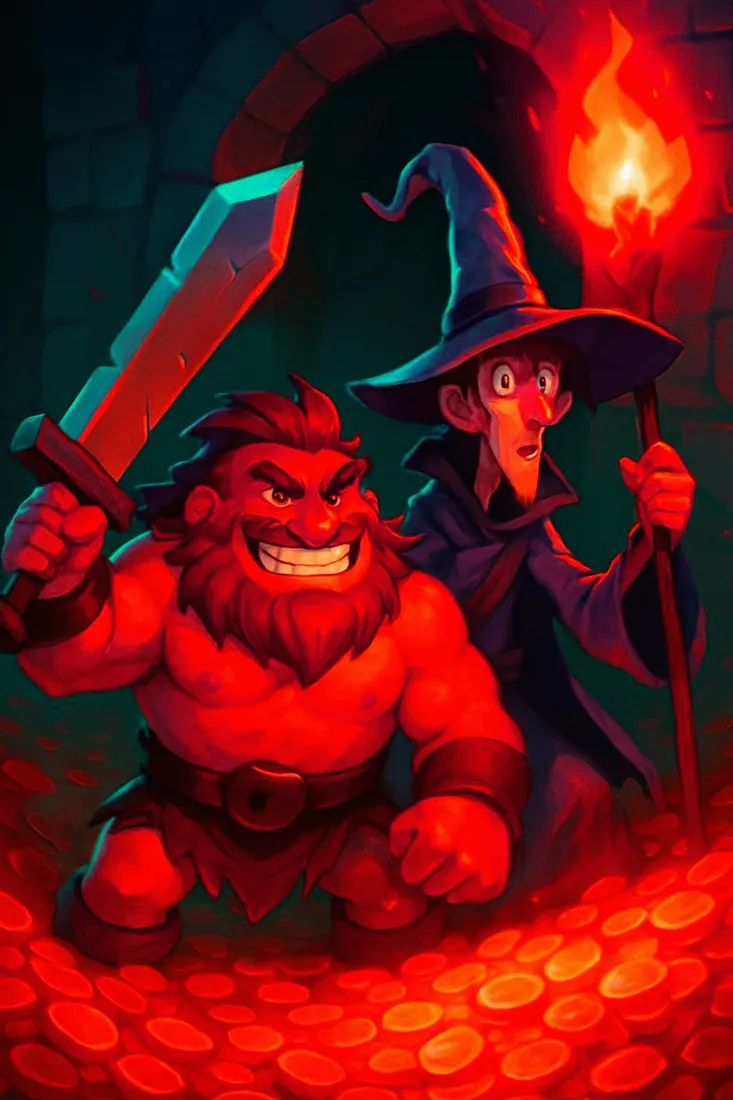
Shakes & Fidget has a pedigree most browser games lack: it grew out of a webcomic of the same name by Oskar Pannier and Marvin Clifford, created as a parody of World of Warcraft. That sense of humour runs through everything, from the character art to the quest text, and it gives the game a warmth that compensates for how simple its core loop is. You are not meant to be awed. You are meant to grin.
Mechanically, it is an idle role-player at heart. Many activities require waiting before they finish, combat resolves itself, and your job is to make good choices about which quest to take, which gear to wear and how to grow your hero. That makes it perfect for lunch breaks and train journeys. It is also, we noticed, quietly very good at bringing you back the next day.
Expeditions, thirst and the art of the tea break
The tavern is where your day starts. You accept expeditions there, and they grant experience, items or gold when they complete. Each expedition uses up some of your hero’s thirst, which you can refill by drinking a beer or simply by waiting for the daily reset at midnight. It is a lovely, slightly absurd way of rationing play, and it sets a natural limit on how much a day can hold.
In practice this means a typical session is short and pleasant: check in, read the quest offers, pick the one that suits your goal, and come back when it has finished. You will spend more time thinking about choices than clicking, which is precisely the point. If you want a game that respects a busy evening rather than devouring it, few do it as gracefully.
From Berserker rage to Druid claws: picking a class
The class roster is where Shakes & Fidget has grown most over the years, and it is the best reason to try it. The official site lists a dozen, each with a signature trick. The Druid takes the form of a bear, tiger or eagle. The Berserker gets into a rage and can attack several times in a row. The Assassin carries two weapons and always strikes with both, while the Warrior blocks with a shield.
Others are just as characterful. The Mage negates the special abilities of most other classes, the Scout can dodge enemy attacks, and the Demon Hunter carries a flask that can bring him back mid-fight. Because combat runs automatically, these abilities are your real tactics. Picking a class that suits the opponents you face most, and gearing it properly, matters far more than reflexes ever could.
Dungeons, arena rivals and a guild to call home
Once your hero has a few levels behind them, the game widens. Dungeons open up after level ten, and each is a ladder of creatures that drop items when defeated, giving you a clear sense of progress and something concrete to gear up for. They are a good counterweight to the randomness of tavern quests, because you always know what the next step looks like.
Beyond that, the arena lets you test your hero against other players, and guilds give you company and shared goals. We would encourage joining one early. The humour makes the community friendlier than most, and guild chat is a rich source of tips about which quests to prioritise and how to plan a build. It turns a solitary idle game into a shared joke you are in on.
Browser or pocket: playing across devices
Shakes & Fidget is the only game on our shelf with an official mobile app alongside the browser version, and it suits the timer-led design well. Starting a quest on a desktop at home and checking it on a phone later feels natural. That said, the browser version is the full game, and we played most of our hours there without feeling we were missing out.
The flip side of its idle design is that it rarely asks for long, absorbing sessions. If you want to lose an evening, look elsewhere on this list. But as a companion to your week, something to tend in spare minutes that steadily grows and occasionally surprises you, it is excellent. It is also the easiest recommendation we can make to anyone new to role-playing games altogether.
Shakes & Fidget: riding the first seven days
- Read through the class descriptions and pick one whose trick makes you smile; you will be watching it fight for months.
- Accept your first tavern expeditions and notice how thirst limits your day; plan around the midnight reset rather than fighting it.
- Prioritise quests that offer the reward you need most right now, whether gear for your next fight or experience to level.
- Aim for level ten by the end of the week so the dungeons open up and give you a clear ladder to climb.
- Join a friendly guild and ask what members wish they had known in their first week; the answers are often hilarious and useful.
What we love
- Genuinely funny writing and art rooted in the original webcomic
- Classes with memorable signature tricks, from shapeshifting to double strikes
- Short sessions that respect a busy day without feeling empty
- Mobile app alongside a complete browser version
What grates
- Automatic combat leaves little room for hands-on skill
- Long waits can frustrate anyone who wants to play in one sitting
- Fantasy parody may feel off-topic if you came purely for cowboys
Whose trail is Shakes & Fidget?
Busy people, newcomers to role-playing games and anyone who wants their adventure with a grin. If you have scraps of time rather than evenings, and you like the idea of a hero who grows steadily while you get on with life, Shakes & Fidget fits beautifully.
Shakes & Fidget at the end of the trail
Shakes & Fidget turns waiting into a feature and a parody into a surprisingly durable game. The tavern rhythm suits a busy week, the classes give real character to automatic fights, and dungeons, arena and guilds keep the long haul interesting. It is not a wild west game, but it shares that frontier love of slow, stubborn progress, and it is the friendliest first stop for newcomers on our shelf.