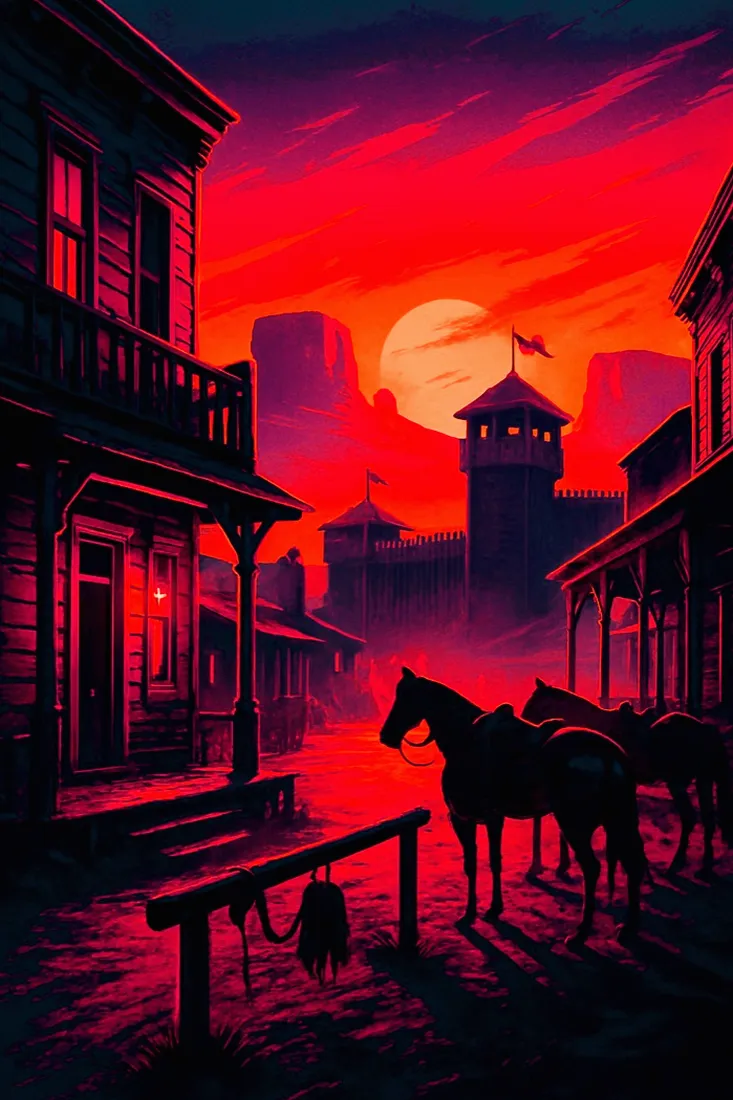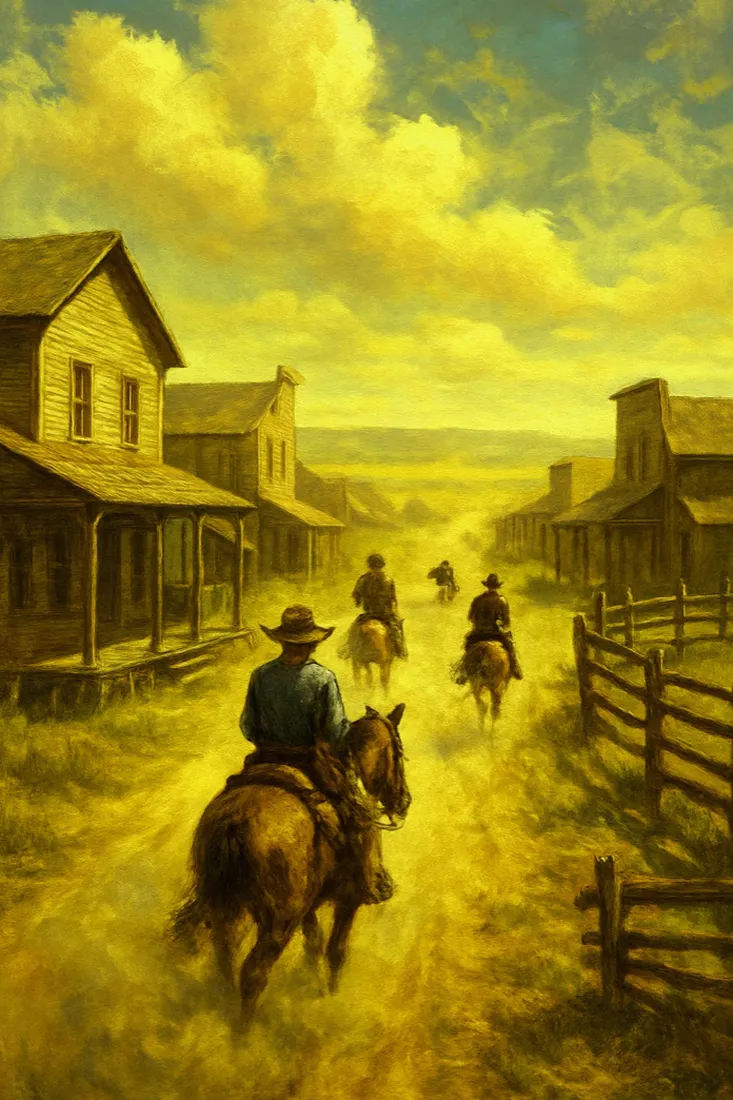
Most wild west games put you behind one pair of spurs. WildGuns pulls the camera back. You are the one deciding where the next building goes, which raw materials matter this week and whether the camp over the ridge is a trading partner or a target. Gameforge calls it a strategic city builder with a classic wild west theme, and that is a fair description of the experience.
The opening choice is the big one: Native Americans, Cowboys or Mexicans, three nations that the game says have their own strengths and play styles. We would encourage newcomers to read each description properly and choose the one whose approach suits their temperament, because the decision colours every plan you make afterwards. Then it is down to work, and there is always more work than hands.
Choosing your people before you choose your fights
Picking a nation is the closest WildGuns gets to a character creation screen, and it carries similar weight. Each of the three has its own leanings, so the question is less which is best and more which suits you. A cautious builder will enjoy a different nation from a player itching to ride out against neighbours on the first day, and the game is happiest when your choice matches your mood.
It also gives the frontier a sense of identity that many strategy games lack. Your camp is not a generic town with a western coat of paint; it belongs to a people competing with two others for the same ground. That rivalry gives every expansion and every alliance a little extra meaning, and it is the main reason we found the world more engaging than its genre usually manages.
Raw materials, rising walls and a camp that grows
Day to day, WildGuns is about your camp. You gather raw materials, spend them on buildings, and those buildings unlock better gathering, more production and stronger defences. It is the classic builder loop, and it is satisfying in the way that watching a vegetable patch fill out is satisfying: small, steady and quietly addictive once you have set a plan for the week.
The skill lies in priorities. There is never enough of everything, so you are always trading one goal for another. Do you push the economy and risk looking soft to neighbours, or invest in protection early and grow more slowly? We enjoyed how the game makes those choices feel consequential without punishing beginners too harshly for getting them a little wrong in the first few days.
Traders, raiders and the politics of the ridge
WildGuns promises that you can build, trade and conquer, and the interplay between those three verbs is where the game comes alive. A neighbour can be a source of materials you lack, a threat to the stockpile you have built up, or eventually an ally against a bigger rival. Reading which is which, and changing your mind when the situation shifts, is the strategic core.
That makes the community important. The game talks of honour, courage and strategy deciding things, and in practice that means diplomacy matters as much as firepower. Talk to the players around you. A short, friendly message can save a week of rebuilding, and a well-timed alliance can turn a vulnerable young camp into a respected one on the local map.
How the wagon rolls over a month of play
Like most browser strategy games, WildGuns rewards consistency more than marathon sessions. Brief visits to keep queues busy and materials flowing do more for your camp than an occasional long evening, and the game fits neatly around work and family once you settle into a rhythm. Leaving queues idle for days is the real enemy of progress.
As the camp grows, the decisions get larger and the neighbours get more interesting. That is when WildGuns stops feeling like a builder and starts feeling like a frontier story you are writing with other people. It is not as deep in individual character growth as a role-player, which is reflected in our score, but as a portrait of rival peoples carving up the West it has real charm.
WildGuns: riding the first seven days
- Read all three nation descriptions and pick the one whose strengths suit how you like to play, not the one that looks toughest.
- Follow the opening tasks to lay out your camp, and get your raw-material gathering running before anything decorative.
- Check in a few times a day to keep build queues busy; idle queues cost more progress than any single mistake.
- Look at the map around your camp and identify who is close, who is strong and who seems friendly enough to talk to.
- Send a polite message to a nearby player or group; early friendships protect a young camp better than walls do.
What we love
- Three rival nations give the frontier identity and a reason for rivalries
- The build, trade and conquer triangle keeps every week’s choices interesting
- Fits a busy week neatly with short, purposeful visits
- Diplomacy and community matter as much as raw strength
What grates
- Little sense of a single hero growing, compared with the role-players here
- Early days involve plenty of waiting for materials to accumulate
- A quiet neighbourhood can make the contested map feel strangely calm
Whose trail is WildGuns?
Players who love the wild west but think in maps and stockpiles rather than in duels. If running a whole camp, choosing a people and steering them through rivalry and trade appeals more than levelling one gunslinger, WildGuns is the strategic counterpart to The West on this shelf.
WildGuns at the end of the trail
WildGuns swaps personal heroics for the satisfaction of a growing camp and a frontier full of rivals. Its three nations give it character, and the push and pull between trade and conquest keeps the weeks interesting. It is lighter on individual character growth than the role-players we review, but for a strategic take on the wild west in a desktop browser, it is the one we would point you to.